

As construction of Qatar’s World Cup stadiums begins, contractors need to reflect on some lessons from another iconic stadium, writes Steven Beaumont. Quantum Executive Director, as he continues to look at how the game of football has more in common with the construction industry than you might think! This time, it is all about the design …
In the last two articles we looked at the parallels between the World Cup infrastructure in Brazil and how the game of football and the construction industry bear some similarities. In last month’s article I concentrated on the importance of record-keeping justifying project facts and we shall see in this article just why this is necessary.
Qatar is now embarking on the delivery of the first of its World Cup infrastructure projects, and it was good to see that earlier this month the first contract to build the Al Wakrah football stadium was awarded.
Throughout the world, stadiums are designed with a theme in mind and Qatar is no different. Similarly the game of football is played with different styles depending which continent you are in, and of course construction practices over the world differ but ultimately the final goal, wherever you are is the safe completion of the stadium.
At this point I’d like you to consider the construction of a stadium, the vast process and procedures the design team and contractors go through to deliver and complete the project. Just imagine how many thousands of tonnes of concrete are used, imagine the weight of the steel and then the endless kilometres of pipework and cabling for the power, water and ventilation systems, and then the co-ordination of all the unique contractors to complete the project. Think also about who has to water and cut the grass, who has to cater for the supporters and who cleans the stadiums, these services might at first seem trivial but for supporters they are critically important and would be included in the whole delivery team.
“Recording what material went where, at what time and by who is an important element of the construction process”
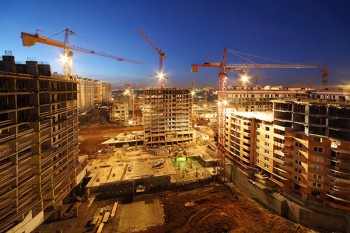

Now you see, all these construction materials have to be placed in the home they are designed to go, so concrete builds the foundations and walls, steel makes the roof and miles of pipes and cables go just about everywhere. Recording what material went where, at what time and by who is an important element of the construction process. This enables us to keep track of the plan and when the plan deviates we can investigate why this is.
Let’s now consider a completed stadium, let’s consider a glorious iconic stadium in the United Kingdom, which opened in 2007. This stadium was procured on a design-and-build contract similar to how contracts are arranged and contracted here in Qatar. But the construction of this iconic stadium is remembered for many for the wrong reasons. The honeymoon period ended (remember we referred to this last month) and the arguments started quickly, differences soon became disputes and let me tell you, these disputes where huge. Unfortunately this wasn’t a place to play football, it turned into a playground for the lawyers.
This particular stadium had the same common denominators as Qatar such as the themed design, the intention to deliver the project on schedule and within budget and to watch a game of football on completion. All but two occurred; the delivery was below standard, the stadium was late and cost much more money than planned. Some say the allocation of risk was incorrect, some blame one party and others blame the other, but you know what, at the end of the day this was how NOT to build a stadium successfully.
Despite good intentions, despite best construction practices, the result at the end of this game was heard in arbitration at the High Court of Justice of England and Wales. Despite these high-level problems, what helped to resolve the issues and gain agreement by all the parties was, yes, good record-keeping!
Who knows what would have happened if good site records had not been kept. For me this is a perfect example of how not to deliver a world-class iconic stadium. The reasons for the courtroom battles can be broadly categorised into design, communication, performance and project changes.
“Taking onboard the lessons from the UK, we should approach the project delivery not as two opposing teams on a field but as if we were all wearing the same colour shirts”
So now we have started to build the stadiums here in Qatar, let’s pause for a moment. Taking onboard the lessons from the UK, we should approach the project delivery not as two opposing teams on a field but as if we were all wearing the same colour shirts; one team with one mission to build the stadium safely, effectively, and by managing the inevitable differences that occur before they develop into disputes we should also keep good records!
Let’s reflect, and learn, from the lessons from the iconic stadium in the UK and let’s kick off construction with these lessons in mind. I don’t know about you, but I think to deliver any construction project, as highlighted in the UK case I mention above, the allocation of risk must be correctly divided up. One can only assume this has been thought about here in Qatar and I will explain the consequences of mis-allocating risk, and playing a player in the wrong position next time.
 Steven Beaumont, Executive Director
Steven Beaumont, a Quantum Executive Director, is a member of the Royal Institute of Chartered Surveyors and the Chartered Institute of Arbitrators. Steven has over 20 years of experience in both local and international construction project disputes and regularly delivers construction claims classes and lectures to industry professionals throughout the GCC. QGS is acknowledged as one of the leading management consultancies dedicated to serving the interests of national and international construction and engineering organisations.
Read more INSIGHT articles.
This article was previously published in the June 2014 edition of Business@Qatar Magazine published by the Gulf Times Newspaper