
Quantum Executive Director, Steven Beaumont, looks at different sectors in the construction industry and discusses how we can all relate to the problems they face more than you might think.
You will recall my last article looked at mobile phones, how they have evolved from the traditional telephone and the widespread applications such as the camera can assist with record keeping on a construction project simply by taking a photo. Technology is moving fast.
Now, think for one moment about the electrical, mechanical, water and air-conditioning systems there are in a building. Then think about the cross networks and interfaces of all these cables, ducts and pipes to make the building systems work. It’s quite complicated. Then think about what happens when the designer changes the floor to ceiling height which compresses the available space to contain the network of cables and pipes; this causes a problem. It usually means the design has to change and the project is delayed, but hey, I am not too worried because if this does happen I am content that the contractors and subcontractors will be keeping robust records and taking photos on their mobile telephones.
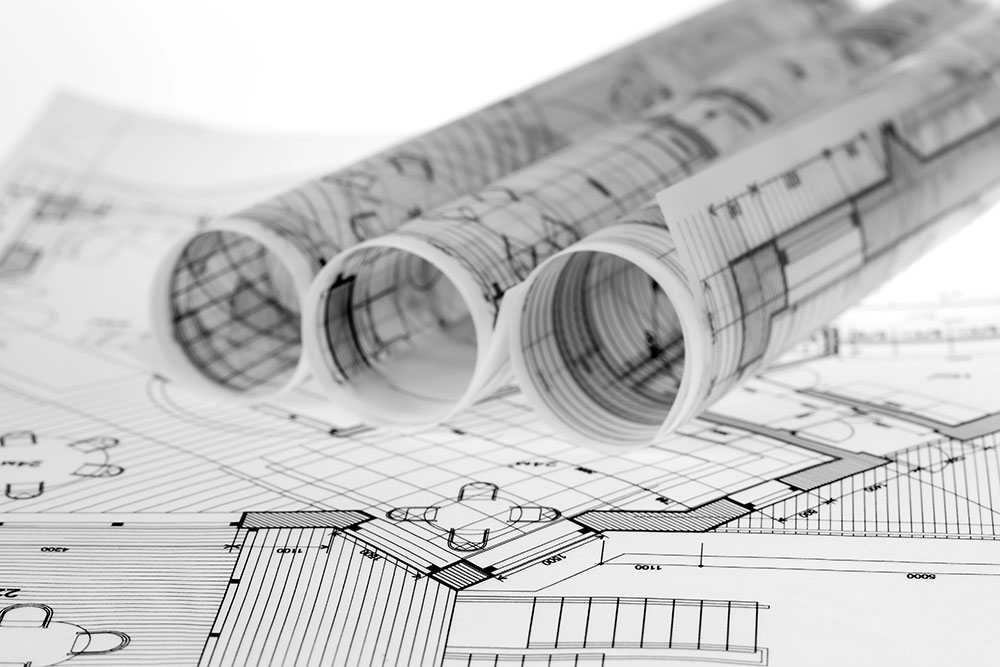
However, have any of you heard of BIM? It’s one of the many acronyms we have to deal with in the construction industry and this one means ‘Building Information Model’, it is one of the advancements in our industry and the idea behind BIM is to co-ordinate all the cables pipes and ducts so they don’t clash and cause project delays.
Now, I was at a meeting the other week and BIM was one of the topics we were talking about, the project director explained the idea of BIM was largely working but there was a need for subcontractors to buy into the idea more. He explained that some clashes did occur but these were minor and were as a result of subcontractors not being capable of accommodating the BIM model. It was suggested that the subcontractor should have an iPad or some other tablet device to read the BIM model and information and I thought; now this is technology! I mean, we are used to construct buildings from information on drawings and pieces of paper, now there is the possibility that a major project could be built – using an iPad!
“In construction projects we must not forget to use the mobile phone to record the issue so that evidence is available to support he proceedings in a dispute”

The Project Director explained that in his view it was their lack of appreciating the advancement in technology which was causing the problem and how they manage drawings. Now far from me to be cynical but let’s just hang on. Were the subcontractors involved in the production of the BIM model? Were the subcontractors briefed on how this model would work? Was there sufficient communication from the contractor to the subcontractors? Typically trying the pass the blame on would be the easy option and would eventually lead to disputes. All along I have been saying that to avoid disputes is the sensible option but this got me thinking more about BIM and how it really is advancing the construction industry.
Apparently BIM is designed so that construction is easy as there is a predetermined design and there shouldn’t be any on site problems which result in disputes. Is this reality?
The BIM model will provide a completed design which is good. However, the design is then subject to the procurement and installation. The installation is also subject to other trades finishing their works on time and the installation assumes that subcontractors will perform and complete in the allocated time-frame. So I am not sure BIM will answer all our problems but it will go some way to help.
BIM is a good concept but we must not forget the harsh reality of a construction project and that not one project is identical to another. We must not forget that there are many factors which play a part in a construction dispute, having an incomplete design was once one of them but let’s hope BIM has sorted this.
In the event that there are still delays and problems we must not forget to use the mobile phone to record the issue so that evidence is available to support he proceedings in a dispute. Or, even better, if we are looking to adopt iPads to assist in constructing projects then surely we can use these to take record photos as well? Either way construction is advancing, whilst the broad principles of construction i.e. pouring concrete or building a road will always be carried out in conventional ways, the way the design is managed and the way we record how the project is being built is improving and this is a very good thing.
“Have any of you heard of BIM? It’s one of the many acronyms we have to deal with in the construction industry and this one means ‘Building Information Model’”
 Steven Beaumont, Executive Director
Steven Beaumont, a Quantum Executive Director, is a member of the Royal Institute of Chartered Surveyors and the Chartered Institute of Arbitrators. Steven has over 20 years of experience in both local and international construction project disputes and regularly delivers construction claims classes and lectures to industry professionals throughout the GCC. QGS is acknowledged as one of the leading management consultancies dedicated to serving the interests of national and international construction and engineering organisations.
Read more INSIGHT articles.
This article was previously published in the September 2015 edition of Business@Qatar Magazine published by the Gulf Times Newspaper